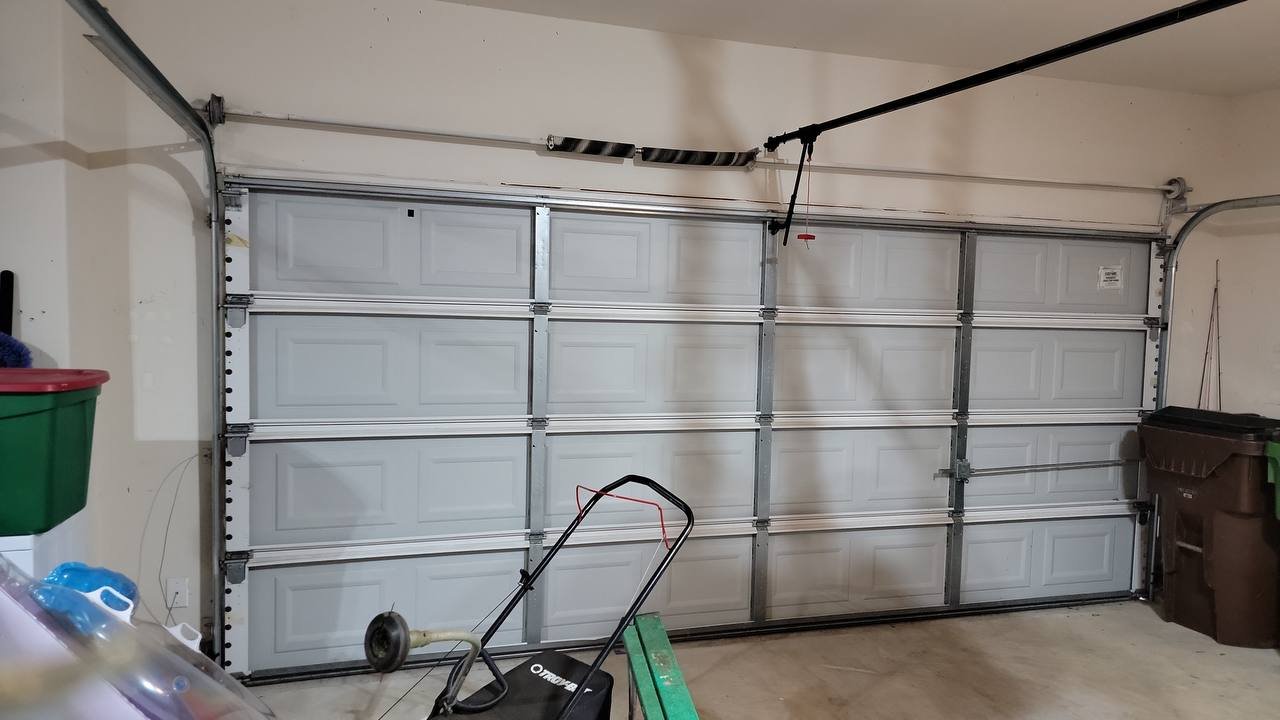
Homeowners in Kirkland, WA face unique moisture and salt-air challenges when planning garage door repair. Choosing the right materials up front saves money, prevents recurring maintenance, and keeps your door operating reliably through wet winters and mild summers.
Why material choice matters for garage door repair
Not all garage doors are built the same. Material affects weight, insulation, durability, and how often you’ll need service. For local homes near Lake Washington or the waterfront, corrosion resistance and insulation value are particularly important.
Common materials and what they mean for repairs
Steel
Steel is the most common choice. It’s strong, relatively affordable, and available in insulated and uninsulated panels. For garage door repair, steel panels are easy to replace and match, but untreated steel can rust in salty, damp air.
- Pros: durable, lower cost, good for insulated doors.
- Cons: must be galvanized or painted to resist corrosion.
- Repair notes: replace damaged panels promptly to prevent water intrusion and rust spread.
Aluminum
Aluminum resists rust and is lightweight, which reduces stress on springs and openers. However, it dents more easily than steel and can be noisy without proper insulation.
- Pros: corrosion-resistant, light weight, good for coastal exposure.
- Cons: prone to dents, may need reinforcement in high-wind areas.
- Repair notes: dents often require panel replacement; aluminum composite can provide extra rigidity.
Wood
Wood offers a traditional look and good customization options. But in Kirkland’s damp climate, wood demands maintenance—sealing, painting, and regular inspection to avoid rot and warping.
- Pros: attractive, can be repaired cosmetically.
- Cons: high maintenance, susceptible to moisture damage.
- Repair notes: small rot can be repaired, but full panel replacements or engineered wood options may be wiser long-term.
Fiberglass and Composite
Fiberglass and composite doors mimic wood appearance with better moisture resistance. They are popular for homeowners who want the look of wood without the upkeep.
- Pros: low maintenance, resists rot and salt damage.
- Cons: can fade with UV exposure; may crack on heavy impact.
- Repair notes: minor cosmetic damage is usually repairable; structural damage may require replacement panels.
Insulation, seals, and hardware choices
Material is only part of the equation. For effective garage door repair, consider insulation (R-value), bottom seals, and corrosion-resistant hardware.
Insulation
Insulated doors reduce energy loss and limit condensation inside the garage—important for homes that use the garage for storage or a workshop. Typical choices are polystyrene or polyurethane; the latter gives higher R-values in the same thickness.
Weather seals and thresholds
Replacing worn bottom seals and thresholds prevents drafts, water entry, and pests. Neoprene or vinyl seals work well in local conditions; metal thresholds with rubber inserts can add protection at the base.
Hardware and springs
When you repair a panel or replace a door, evaluate springs, rollers, and tracks. Stainless or galvanized hardware offers better longevity near the Sound. Lighter materials like aluminum doors reduce spring wear, but the tradeoff can be increased denting.
Making a practical decision for your home
Follow a simple checklist before authorizing garage door repair or replacement:
- Assess local exposure: waterfront, heavy tree cover, or street salt.
- Decide on appearance vs. maintenance: wood look vs. composite longevity.
- Match insulation needs to garage use: storage and workspace require higher R-values.
- Choose corrosion-resistant hardware if near salt air.
- Factor in opener capacity and spring ratings when switching to heavier materials.
Cost considerations and timelines
Material choices change repair timelines and cost. Simple panel or seal replacements can be completed in a few hours. Full door replacements usually take a day, depending on customization and hardware upgrades.
Typical local price ranges (estimates for Kirkland, WA):
- Panel repairs: lower cost, parts plus labor—often same-day.
- Seal and threshold replacement: budget-friendly and fast.
- Full steel door replacement: mid-range cost with good longevity.
- Wood or custom composite: higher cost, longer lead times for finishes.
For specific scheduling, check available options on our services page and contact our team to get an estimate tailored to your property.
Preparing for a local repair appointment
Before technicians arrive, clear the garage interior and remove vehicles. Photograph existing damage and note any insulation or finish preferences. These simple steps speed up diagnostics and let installers order correct panels or hardware when replacements are needed. If you’re researching ideas, our blog has local examples and material comparisons specific to Puget Sound climates.
Warranties, permits, and local codes
Most manufacturers offer warranties on panels and insulation; check coverage for corrosion and finish. For substantial structural changes or if you live in a historic district, verify whether a permit is needed with the City of Kirkland. If in doubt, reach out to us via our contact page—our team can advise on permit requirements and warranty transfers.
Final recommendations for Kirkland homeowners
Prioritize corrosion resistance and adequate insulation. For most Kirkland residences, a galvanized steel door with a polyurethane core and galvanized hardware offers the best balance of durability, energy efficiency, and cost. If appearance is a primary concern, choose composite panels that mimic wood while resisting moisture.
When planning garage door repair in WA, weigh the life-cycle cost—initial price, maintenance, and likely repair frequency. That approach reduces surprises and helps you pick a solution that fits both your home’s look and the local climate.
Ready to discuss materials and get an on-site estimate? Call or book an appointment to review options specific to your Kirkland property.
Frequently Asked Questions
Q: How does Kirkland weather affect garage door materials?
A: Our damp, salty air accelerates rust on untreated steel and promotes rot in unsealed wood. Choose galvanized or painted steel, aluminum, or composite materials and replace seals regularly to limit moisture intrusion.
Q: How long does a typical garage door repair take in Kirkland?
A: Minor repairs (springs, rollers, seals) are often completed same-day. Panel replacement or full-door installs typically take one business day, longer if custom finishes are ordered.
Q: What price range should I expect for replacing panels or a whole door?
A: Local ranges vary: simple panel repairs are low-cost; full steel door replacements are mid-range; custom wood or composite doors are higher. We provide on-site estimates that reflect material and hardware choices.
Q: Are special permits required for garage door replacement in Kirkland?
A: Routine repairs usually don’t need permits. Structural changes, enlarging openings, or work in historic districts may require permits. We can advise and help with local code questions.
Q: What warranty should I expect on repaired or replaced garage doors?
A: Manufacturers often warranty panels and insulation; labor warranties vary by installer. Ask for written warranty details before work begins and verify corrosion or finish coverage for Kirkland conditions.
Helpful local resources in Kirkland, WA
- Garage Door Repair Seattle
- Garage Door Repair Bellevue
- Garage Door Repair Redmond
- Garage Door Repair Kirkland
- Garage Door Repair Mercer Island
- Garage Door Repair Edmonds
- Garage Door Repair Issaquah
- Garage Door Repair Tacoma
- Garage Door Repair Everett
- Garage Door Repair Bothell
- Garage Door Repair Sammamish
- Garage Door Repair Renton
- Garage Door Repair Lynnwood
- Garage Door Repair Woodinville
- Garage Door Repair University Place
- Garage Door Repair Gig Harbor
- Garage Door Repair Lakewood
- Garage Door Repair Puyallup
- Garage Door Repair Mukilteo
- Garage Door Repair Vancouver
- Garage Door Repair Kenmore
- Garage Door Repair Burien
- Garage Door Repair Auburn
- Garage Door Repair South Hill
- Garage Door Repair Yarrow Point
- Garage Door Repair Clyde Hill
- Garage Door Repair Port Townsend
- Garage Door Repair Duvall
- Garage Door Repair Snoqualmie